Let essentials be immediate.
Put reservations, menus, hours, and location where a returning guest can find them. These functions can coexist with a photographic opening; they do not need to be hidden behind it. On a phone, check that the reservation link remains legible over the image and that the menu does not require a precise gesture to open.
Treat the menu as living content.
A menu should be readable at a normal text size without downloading or pinching a document. Structured text also makes it easier to maintain clear headings and usable reading order. If a PDF is useful for printing, offer it as an alternative. Identify sample menus honestly and agree who updates dishes, prices, and dietary notes when the kitchen changes them.
Find the story in the work.
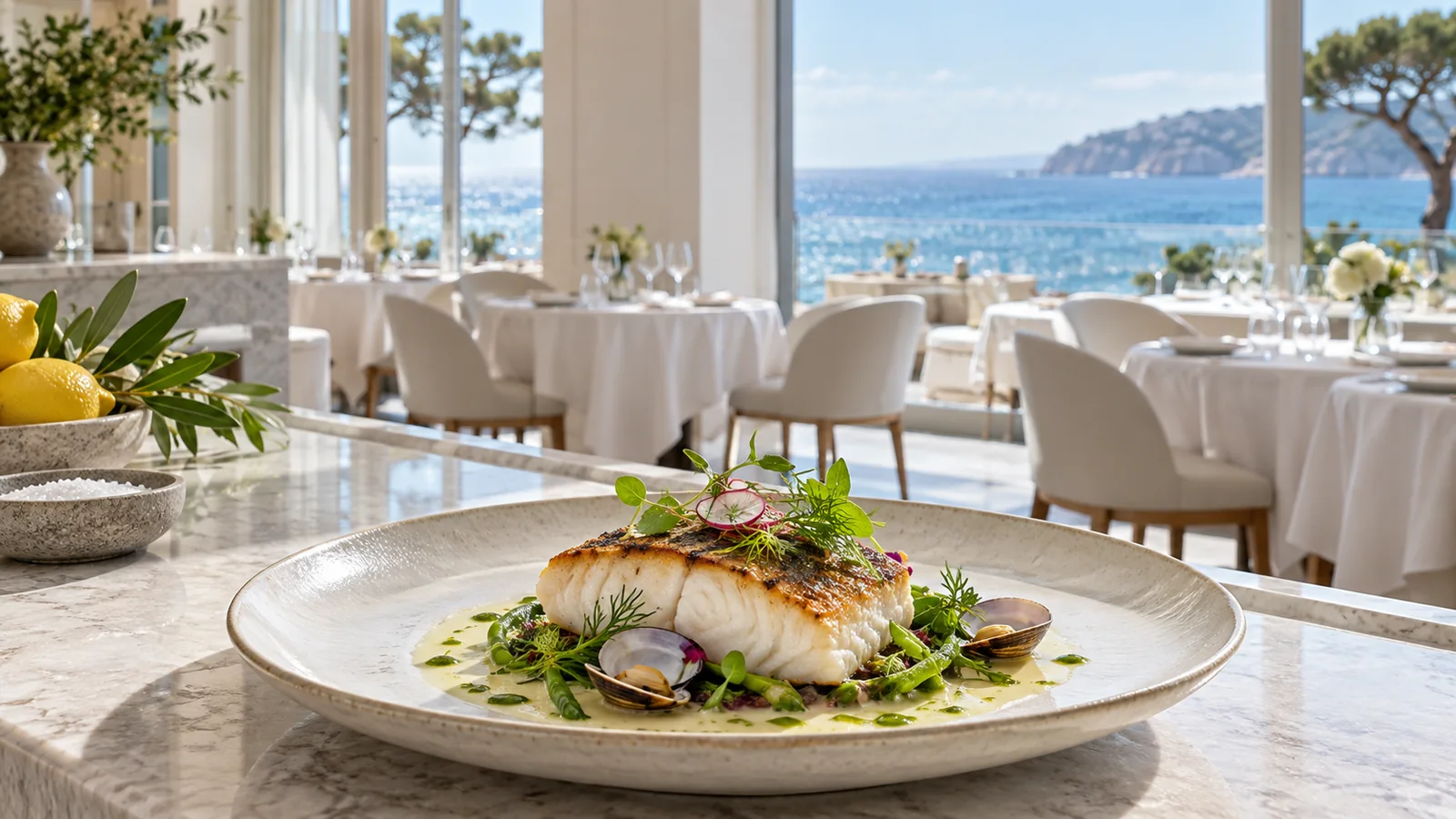
The most compelling restaurant story may be a relationship with an ingredient, a way of cooking, or the character of a room. Use details the team can explain in their own words. Sequence imagery of the table, food, and space to establish what an evening feels like. Avoid asking an elaborate animation to carry information a short sentence would explain more clearly.
Separate private dining from table reservations.
An event organizer often needs capacity, layouts, sample arrangements, and a person to discuss requirements with. A reservation widget may not serve that task. Give private dining its own route and ask for a date, approximate group size, and occasion. Keep availability and menu commitments subject to the restaurant’s confirmation.
Test with ordinary questions.
Ask someone unfamiliar with the site to find dinner hours, read a menu, locate the address, and reach the reservation provider. Then ask what they remember about the restaurant itself. Both answers matter. Our Kai Table concept is an invented restaurant experience that explores this balance between an expressive identity and purposeful interaction; it is not a report of commercial results.