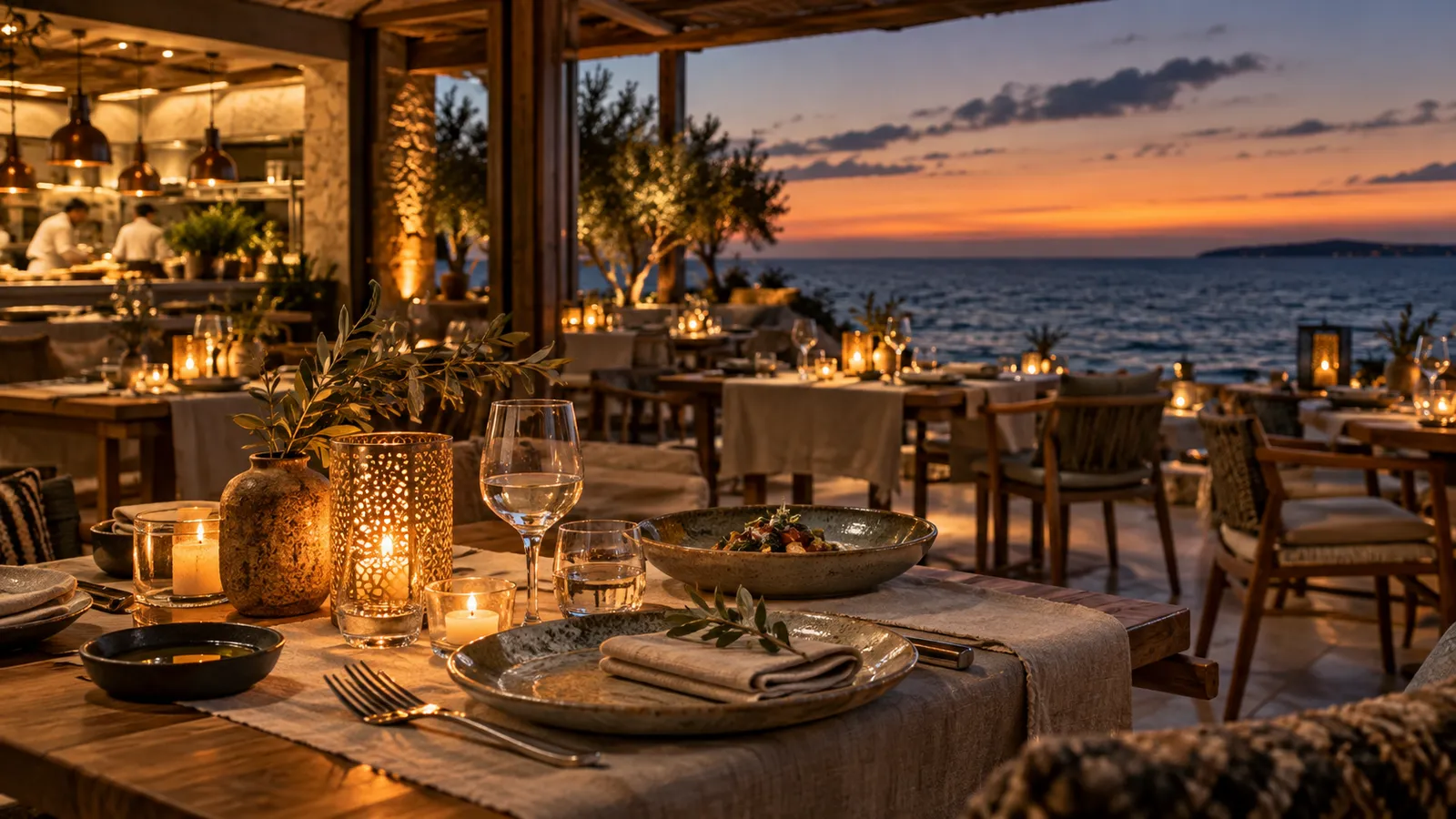
For many travelers, the most anticipated part of a trip isn't the hotel. It's a single dinner. They read about it before they booked their flights, set an alarm for the day reservations open, and planned an entire evening around it.
Whether that restaurant is on Maui, in Mexico City, or in a small coastal town in Portugal, its website plays a role most local restaurants never think about. For travelers, the meal begins weeks before they sit down.
Travelers plan meals before they land
Visitors often lock in their most important dinners in advance, sometimes from a different time zone, sometimes months ahead. They want to know quickly: Is this worth planning around? When do reservations open? How far ahead should I book? Is there a dress code? Can I get a sunset table?
If those answers are missing or buried, travelers move on to a restaurant that makes planning easy.
Show the experience of the evening
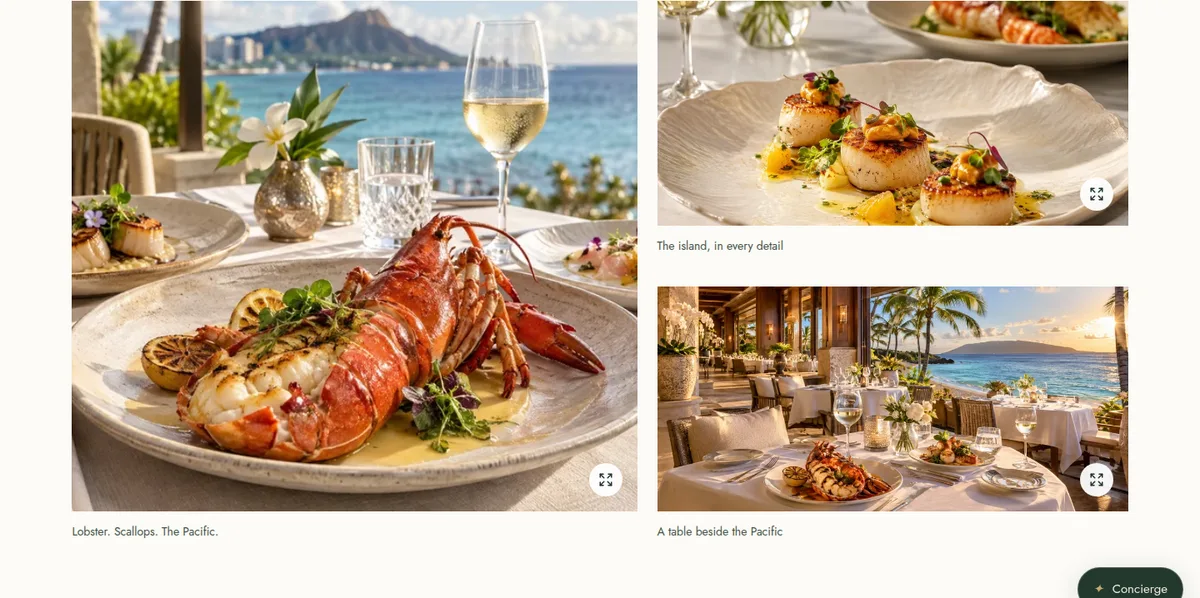
A list of dishes and a few food photos don't convey why someone should make a special trip. Travelers want to picture the whole evening: the view as the sun goes down, the sound of the room, how the meal unfolds, and what makes this place different from anywhere back home.
Thoughtful imagery and a few sentences about the experience do more than another plate photograph.
Let the menu tell a story
For destination restaurants, the menu is often the heart of the story: the fish caught that morning, the farm up the road, the family recipe, the ingredient you can't find anywhere else. Brief notes about where things come from help travelers understand what makes the food unique to the place.
Keep it honest and current. A sample menu clearly labeled as seasonal is better than an outdated one that disappoints people when they arrive.
Make reservations effortless, especially from far away
Put reservations front and center, explain your booking window in plain language ("reservations open 30 days ahead at 9am Hawaiʻi time," for example), and make it clear how to request special occasions, dietary needs, or a particular table. Show your local time so international guests don't miss the moment bookings open.
Answer the practical questions
Where exactly are you, and how do I get there? Is there parking or valet? How long is the tasting menu? Can you accommodate allergies? Is it suitable for kids? Travelers in an unfamiliar place appreciate clear, practical answers, and it saves your staff from answering the same questions repeatedly.
Mobile, at the table and on the road
Travelers check restaurant websites on their phones, often while walking or driving to find you. Directions, hours, the phone number, and the menu should be one tap away on mobile, with no huge files slowing things down on a weak connection.
The Evermore view
A destination restaurant's website isn't just a place to post the menu. It's where the anticipation starts. It should make travelers excited enough to plan around you, and make that planning effortless.
When the website does its job, guests arrive already knowing they've made the right choice. The meal only has to live up to the evening they've been imagining.
If people travel to eat with you, tell us about your restaurant.