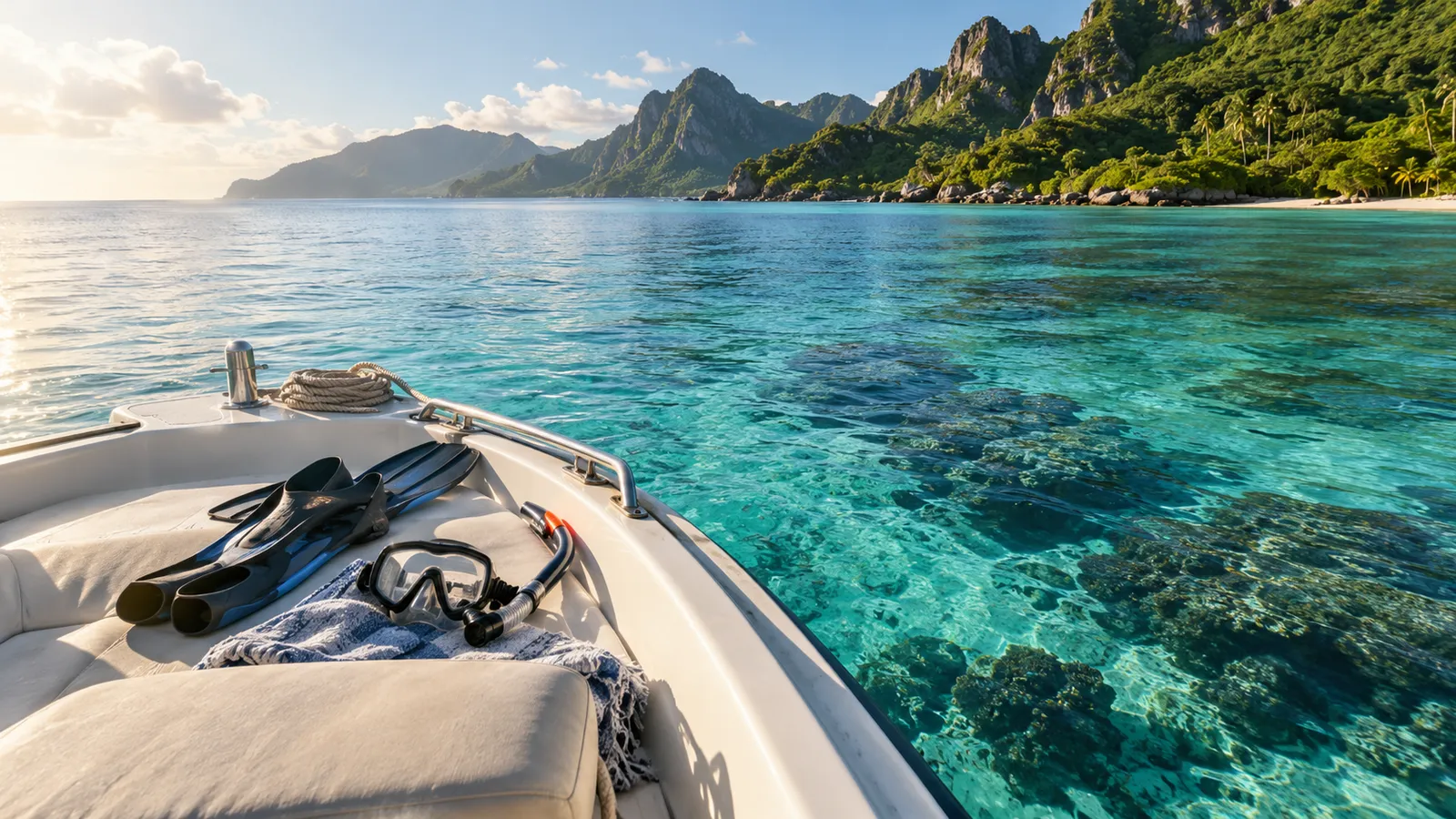
For a snorkel charter, a guided hike, a food tour, or a sunset sail, the experience doesn't start at the meeting point. It starts the moment someone opens your website, often on their phone, often already on vacation, deciding what to do tomorrow.
Whether you run tours in Hawaiʻi, the Greek islands, Costa Rica, or Kyoto, your website is effectively the first five minutes of the tour. It should feel like it.
Tour guests decide fast, on their phones
Many experiences are booked during the trip itself: at breakfast, by the pool, or in the car after a guest hears about you from someone else. They're comparing a handful of options quickly, on a small screen, sometimes with spotty connection.
That means the essentials have to be obvious within seconds: what the experience is, how long it takes, where it starts, what it costs, and when the next opening is. If those answers take several taps to find, the guest books the competitor whose page made it easy.
Show the experience, not just the destination
Many tour sites show beautiful scenery and say little about the experience itself. Guests want to picture their own few hours: the boat they'll board, the guide they'll meet, the trail they'll walk, the food they'll taste, the moment the turtle swims past.
Showing the actual experience, in sequence, builds both excitement and trust. Short, real video clips are especially powerful here, as long as they're honest about what a typical day looks like.
Answer the nervous questions
Every experience comes with questions people hesitate to ask: Do I need to be a strong swimmer? Is this okay for kids, or for someone who gets seasick? What happens if the weather turns? Where do I park? What should I bring? Is there a bathroom on board?
Clear, friendly answers turn hesitation into bookings. They also cut down on repetitive messages to your team.
Safety and expertise build trust
For anything active or on the water, guests want to know they're in good hands. Introduce your guides and captains, mention relevant certifications and safety practices plainly, and show the gear and the boat in good condition. Confidence about safety is part of the product, especially for families.
Make booking feel simple and immediate
Experience guests want to see real availability and book in a few taps. If your booking system shows live openings, make that the clear next step. Spell out the cancellation and weather policy right where people book, so they feel safe committing.
Speak to visitors from everywhere
Destinations draw visitors from many countries. In Hawaiʻi, for example, many guests arrive from Japan, Canada, Australia, and across the US. A clear page in the languages your guests actually speak, or even simple translated essentials, can be a meaningful advantage over competitors who offer only English.
Real reviews, honestly shown
Tour guests lean heavily on reviews. If you have strong reviews on major platforms, link to them or display them through an official widget. Never write or edit reviews yourself; the real ones are more persuasive anyway.
The Evermore view
An experience website shouldn't just list departures and prices. It should give guests a taste of the experience itself, answer what they're nervous about, and make saying yes effortless.
When someone finishes browsing, they should already be looking forward to it. That's when your website has started the tour for you.
If your experience is unforgettable but your website isn't, tell us about it.